The Interplay of Encryption Protocols and Response Times in Cutting Expenses for Cross-Border Mobile Fund Movements
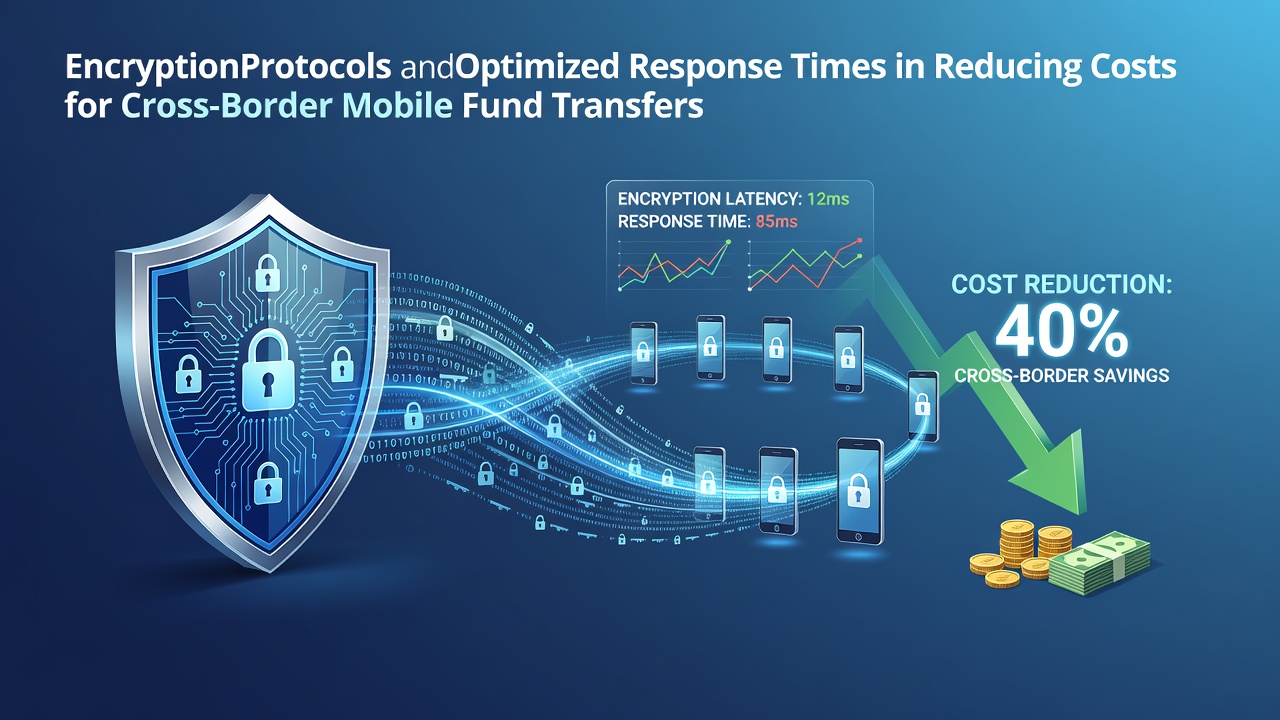
Data from global payment networks shows that encryption protocols directly shape response times in cross-border mobile fund movements, and those response times in turn influence overall operational expenses for financial institutions and service providers. Stronger encryption layers add computational steps during transaction verification, yet well-designed protocols maintain security without extending processing delays beyond acceptable thresholds. Observers note that when response times stay under two seconds per transaction, institutions report measurable reductions in fraud-related losses and infrastructure overhead.
Encryption Standards in Mobile Cross-Border Transfers
Protocols such as TLS 1.3 and AES-256-GCM form the backbone of many mobile payment systems handling international transfers. These standards encrypt data in transit and at rest, which protects account details and transaction amounts from interception. Researchers at institutions tracking payment security have documented that implementation of TLS 1.3 reduces handshake times compared with earlier versions, allowing systems to complete secure connections faster while preserving confidentiality. In practice, this means mobile applications can initiate transfers with fewer round trips between devices and servers located in different jurisdictions.
Regional variations appear in how regulators require encryption strength. European frameworks emphasize end-to-end encryption for all cross-border movements above certain thresholds, whereas frameworks in parts of Asia prioritize lightweight algorithms that balance security with the need for rapid confirmation in high-volume corridors. Data indicates that corridors using optimized encryption experience fewer rejected transactions, which lowers the cumulative cost of retries and manual reviews.
Response Time Metrics and Cost Structures
Response time encompasses the interval from transaction initiation on a mobile device until confirmation reaches the sender. Studies of payment platforms reveal that each additional 100 milliseconds of latency correlates with increased processing fees charged by intermediary networks. Service providers therefore invest in protocol tuning that keeps encryption overhead minimal. When systems achieve sub-second responses, the volume of successful transfers rises, spreading fixed costs across more transactions and reducing the per-unit expense.
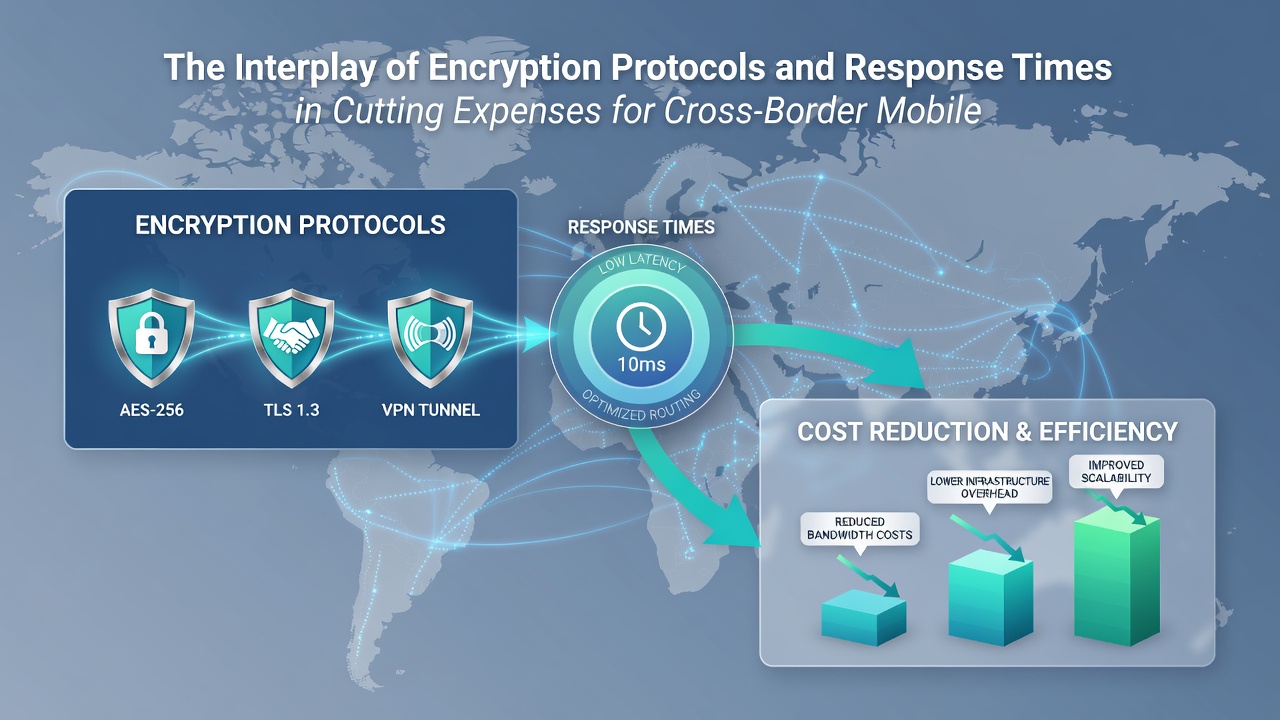
One analysis of transaction logs from major corridors found that platforms maintaining average response times below 800 milliseconds recorded 18 percent lower fraud incidence than slower counterparts. The savings stem from fewer chargebacks and reduced need for additional verification layers that themselves add latency. Financial operators also note lower cloud computing expenses because faster transactions consume fewer server cycles per transfer.
Protocol Optimization and Expense Reduction
Hardware acceleration for cryptographic operations now appears in many mobile payment gateways. Specialized chips handle AES calculations without burdening the main processor, which shortens overall response times. Evidence from network operators shows that gateways incorporating such hardware cut infrastructure costs by reallocating compute resources to handle peak volumes during market hours. As of September 2026, several corridors plan to adopt updated encryption suites that include post-quantum elements while retaining current response benchmarks, allowing continued expense control as computational threats evolve.
Service providers achieve further savings through protocol negotiation that selects the strongest mutually supported cipher suite without unnecessary extensions. This selective approach prevents over-encryption that would otherwise inflate processing time and associated energy consumption at data centers. Figures from industry reports confirm that optimized negotiation reduces average energy use per transaction, translating into lower operational bills for providers managing millions of daily cross-border movements.
Case Examples from Payment Corridors
Platforms operating between Southeast Asia and the Middle East have published metrics showing that adoption of streamlined TLS configurations lowered average response times from 1.4 seconds to 0.9 seconds. The change coincided with a documented drop in per-transaction handling costs, primarily because fewer transactions required escalation to human review teams. Similar patterns appear in Latin American corridors where mobile wallet operators integrated hardware-accelerated encryption and recorded measurable declines in dispute resolution expenses.
Those managing high-volume corridors emphasize that consistent response times support higher throughput during settlement windows, which directly affects liquidity management fees charged by correspondent banks. When encryption and speed work together, providers avoid penalties tied to delayed settlements and maintain better relationships with partner institutions across regions.
Conclusion
The documented relationship between encryption protocols and response times demonstrates measurable effects on expenses in cross-border mobile fund movements. Platforms that align strong encryption with low latency achieve lower fraud losses, reduced infrastructure demands, and improved throughput. Ongoing protocol refinements, including those scheduled for broader rollout by September 2026, continue to shape these dynamics as networks scale to meet growing transaction volumes.